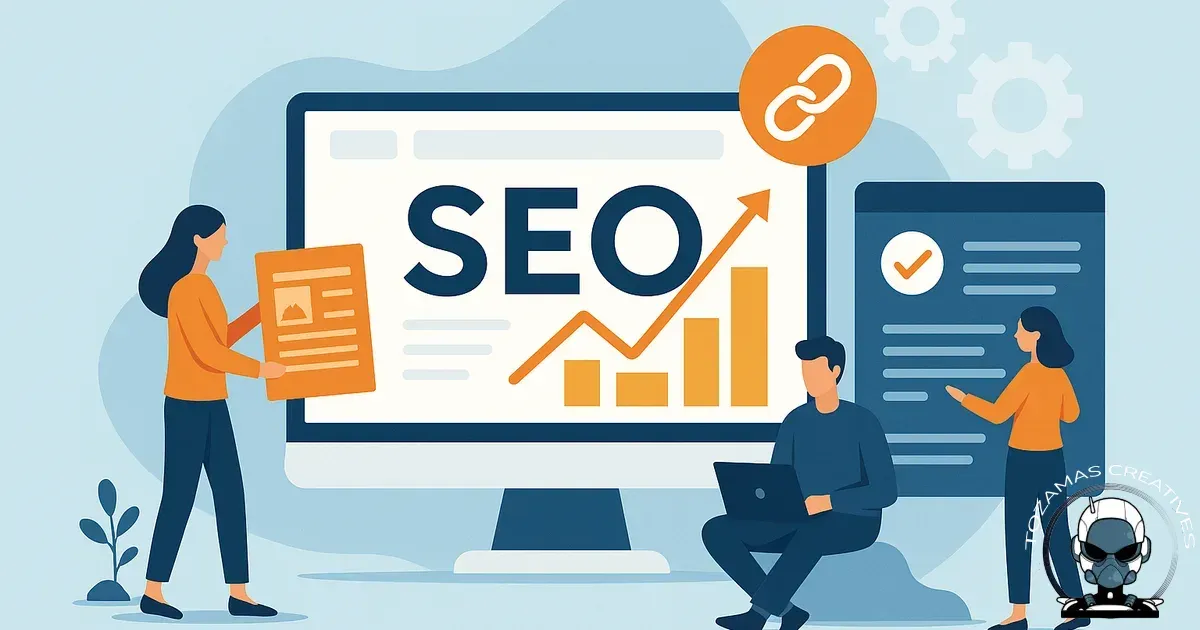
A long-term SEO strategy can yield up to 14 times higher ROI than traditional advertising methods, making it crucial for Australian businesses to invest in sustainable visibility by strengthening both on page and off page foundations over time.
Why a long-term SEO strategy matters
A long term SEO strategy helps your business earn sustainable visibility in Google by strengthening both on-page and off-page foundations over time, rather than chasing quick wins that don’t last.
For Australian businesses, the compounding effect is the main advantage: consistent technical improvements, content upgrades, and authority building can steadily increase qualified traffic, leads, and brand trust.
What “long-term SEO” actually means
Long term SEO isn’t a single project. It’s an ongoing operating model that focuses on:
- Durability: content and optimisations that remain useful and relevant.
- Consistency: regular publishing, maintenance, and link/brand development.
- Measurement: tracking rankings, traffic quality, conversions, and technical health.
- Adaptation: refining approach as SERPs, competitors, and search behaviour change.
On-page foundations: what you control on your website
On-page SEO is everything you can optimise on your site to help search engines understand your pages and help users get what they need efficiently.
1) Keyword strategy and search intent
Strong on-page SEO starts with targeting keywords that match intent. In practice, this means mapping keywords to the type of result people expect:
- Informational: “how to…”, “what is…”, guides and explainers.
- Commercial: comparisons, “best…”, “top…”, reviews.
- Transactional: “buy”, “quote”, “pricing”, “near me”.
- Navigational: brand and product names.
For long-term results, focus on a balanced mix: evergreen informational content to grow reach and high-intent service pages to convert.
2) Site architecture and internal linking
A clear structure helps Google crawl and helps users find answers. Most service based businesses benefit from a simple hierarchy:
- Core services (top-level pages)
- Sub-services (supporting pages)
- Industry/location pages (only where genuinely useful and unique)
- Resources/blog (topical authority support)
Internal linking then connects related pages so authority and context flow through the site. Good internal links are descriptive, relevant, and placed where users will actually click.
3) Content quality, topical authority, and freshness
Long term SEO rewards sites that demonstrate deep expertise on the topics they want to rank for. Build topical authority by creating clusters of content around a theme (for example: SEO basics, local SEO, technical SEO, content marketing).
Keep key pages updated. Refreshing content doesn’t always mean rewriting everything, often it’s about:
- Updating examples, statistics, and screenshots
- Expanding thin sections that don’t fully answer the query
- Improving readability and adding FAQs
- Adding internal links to newer, relevant pages
4) On-page optimisation essentials (the non-negotiables)
- Title tags: clear, keyword-aligned, compelling for clicks.
- Meta descriptions: benefit led summaries to increase CTR.
- Headings (H2/H3): logical structure that mirrors user questions.
- URL structure: short, descriptive, consistent.
- Image optimisation: descriptive filenames, compressed files, meaningful alt text.
- Schema markup: where relevant (Organisation, Local Business, Service, FAQ, Article).
5) Technical SEO and user experience signals
Technical SEO is the foundation that allows your content to be crawled, indexed, and experienced properly. Key long term priorities include:
- Core Web Vitals: page speed, responsiveness, visual stability.
- Mobile-first performance: layouts, tap targets, and legibility.
- Indexing controls: robots.txt, no index where appropriate, canonical tags.
- Site hygiene: fixing broken links, redirect chains, duplicate content.
- Security: HTTPS and a well maintained CMS/plugins.
Off-page foundations: building authority and trust beyond your site
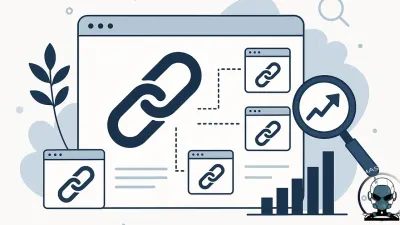
Off-page SEO is about the signals that tell search engines your business is credible and recognised, especially backlinks, brand mentions, and local citations.
Canonical tags and duplicate content: a quiet long term SEO killer
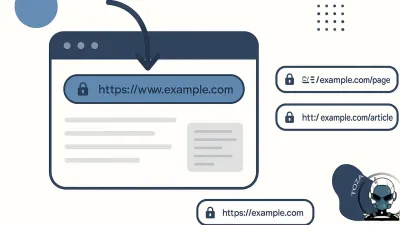
One technical detail that underpins sustainable on-page performance is getting canonical URLs right, especially when you have similar pages (service variants, location pages, filtered categories, or blog posts republished in different formats). If Google sees multiple versions of the same content and the canonical signals are inconsistent, authority can split and the wrong page can end up ranking. For a clear breakdown of how canonicals work in practice and what can go wrong, read Canonical URLs Explained: Why They Matter and What Happens When You Get Them Wrong.
1) Backlinks: quality over quantity
Backlinks remain one of the strongest off-page signals. The goal is to earn links that make sense editorially, because you published something valuable or your business is legitimately noteworthy.
High quality links typically come from relevant sites (industry publications, local media, partners, associations) and appear naturally within content.
2) Digital PR and brand mentions
Digital PR is a scalable long term approach because it builds both authority and brand recognition. Examples include:
- Contributing expert commentary to journalists
- Publishing original data or insights worth citing
- Launching campaigns with local/community relevance
- Partnering with complementary businesses for co-marketing
Even unlinked brand mentions can support broader trust and discoverability, especially when your business is consistently referenced across reputable sources.
3) Local SEO: citations, reviews, and Google Business Profile
If you serve specific regions in Australia, local signals can be pivotal. Build a reliable local footprint through:
- Google Business Profile: accurate categories, services, photos, posts, and Q&A.
- Consistent NAP: name, address, phone across directories.
- Reviews: ongoing review generation and professional responses.
- Local links: chambers of commerce, sponsorships, community organisations.
4) Social and content distribution (supporting, not substituting)
Social signals are not a direct ranking factor in the simple “more likes = higher rankings” sense, but social distribution can increase reach, earn links, and drive branded searches, indirectly supporting your SEO over time.
How to build a long term SEO strategy (step-by-step)
- Set goals tied to business outcomes: leads, sales, bookings, enquiries, then map SEO metrics that support them.
- Audit your current baseline: technical issues, content gaps, backlink profile, and competitor benchmarks.
- Build a keyword-to-page map: assign primary intent driven keywords to core pages; avoid cannibalisation.
- Create a content roadmap: prioritise high impact pages first (services and money pages), then supporting clusters.
- Fix technical blockers early: crawlability, indexing, speed, and mobile experience.
- Strengthen internal linking: connect clusters and guide users from informational pages to conversion pages.
- Run an ongoing authority plan: digital PR, partnerships, local links, and linkable assets.
- Measure, learn, iterate: update what’s working, prune what’s not, and expand where you’re gaining traction.
What to track for sustainable SEO growth
- Visibility: impressions, average position, keyword coverage (Google Search Console).
- Quality traffic: engaged sessions, key pages per journey, assisted conversions (GA4).
- Conversions: form fills, calls, purchases, bookings, quote requests.
- Technical health: crawl errors, index coverage, Core Web Vitals.
- Authority: referring domains, link relevance, branded search growth.
Common long term SEO mistakes to avoid
- Publishing without a plan: random topics won’t build authority or drive conversions.
- Thin location pages: duplicating text across suburbs can do more harm than good.
- Ignoring internal links: content can’t rank well if it’s isolated.
- Chasing low-quality links: shortcuts increase risk and rarely deliver lasting gains.
- Set-and-forget mentality: competitors update, SERPs change, and your content must keep pace.
Bringing it together: on-page + off-page foundations
The strongest SEO results come when your site is technically sound and content rich (on-page), while your brand earns recognition and credibility across the web (off-page). Invest in both consistently and your visibility becomes harder for competitors to displace.
Need help building an SEO strategy that lasts?
TOZAMAS Creatives helps businesses design and execute sustainable SEO strategies, combining technical fixes, content systems, and authority building to grow organic traffic and conversions over the long term.
Sources & Further Reading
- Google Search Central: SEO Starter Guide
- Moz: The Beginner's Guide to SEO
- HubSpot: How to Build a Long-Term SEO Strategy
- Australian Government: Digital Transformation Agency - SEO Best Practices
- Search Engine Journal: On-Page SEO: The Complete Guide
- Google Search Central Blog: Understanding Search Intent
Turn Strategy Into Structure
A long-term SEO strategy only works when it is supported by clean architecture, technical precision, and controlled implementation. We design structured SEO frameworks into every build.
Explore Our SEO-Focused BuildsComments
No comments yet. Be the first to join the conversation!
Leave a Comment
Your email address will not be published. Required fields are marked *